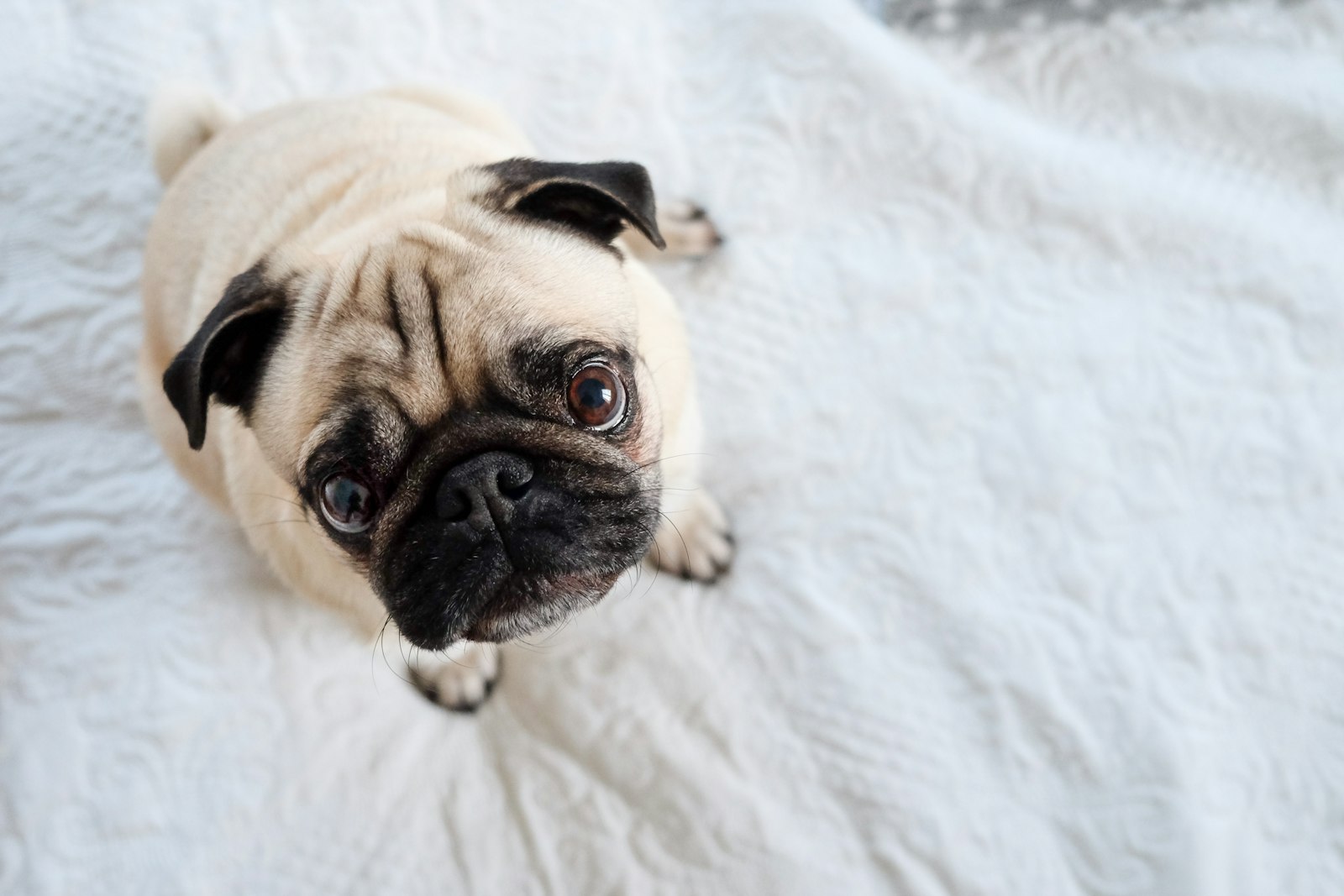
Bulldogs, Pugs, and French Bulldogs are easy to love. They are affectionate, funny, and full of personality. They also share a trait that can create real health problems: they are brachycephalic, or flat-faced, breeds.
That shortened head shape changes the way air moves through the nose, mouth, and throat. In many dogs, it also makes panting less effective, which means breathing problems and overheating often go hand in hand. For Alameda pet owners, that matters on warm afternoons, sunny shoreline walks, stressful car rides, and any outing that leaves a dog panting hard.
Not every flat-faced dog is in immediate danger every time it goes outside. But these breeds do need closer monitoring than many owners realize, especially in heat, humidity, or situations where excitement quickly turns into heavy breathing.
Why flat-faced dogs often struggle to breathe
With brachycephalic breeds, the outside of the skull is shortened, but the soft tissues inside the airway do not always shrink to match. That can leave the air passages crowded and make normal airflow more difficult.
Veterinarians often see a cluster of problems associated with brachycephalic obstructive airway syndrome. A dog may have narrowed nostrils, an elongated soft palate, excess tissue in the throat, or a smaller-than-ideal windpipe. Some dogs have more than one of these issues at the same time.
At home, owners may notice noisy breathing, snorting, gagging, loud sleeping, frequent panting, poor stamina, or a dog that seems to struggle more than expected in mild weather. Because these sounds are so common in Bulldogs, Pugs, and French Bulldogs, people sometimes assume they are normal. They may be common, but they are not always harmless.
Why breathing trouble raises heat stroke risk
Dogs cool themselves mainly by panting. When panting works well, air moves across moist tissues in the airway and helps release body heat. Flat-faced dogs already have a harder time moving air efficiently, so they also have a harder time cooling themselves.
That creates a risky cycle. A dog starts to get warm, then pants harder to cool down. If the airway is already narrow, that extra effort can lead to more swelling and irritation. Breathing gets less effective, body temperature keeps rising, and the dog can go downhill faster than owners expect.
That is why heat stroke is a real concern in brachycephalic breeds, even outside of extreme summer weather. Trouble can start during a warm walk, rough play, time in a sunny yard, or even indoors if the air is stuffy and the dog is stressed.
In Alameda, milder coastal weather can give people a false sense of security. A dog may still overheat if the sun is strong, the pavement is holding heat, the walk runs long, or the dog gets overly excited.
Signs your dog may be struggling
Many flat-faced dogs make some breathing noise every day, so the most important question is whether your dog seems different from its usual baseline.
- Panting that seems unusually intense or does not settle
- Breathing that sounds louder or harsher than normal
- Snorting, gagging, or repeated retching
- Flared nostrils and visible effort to pull in air
- Slowing down quickly on walks
- Reluctance to keep moving
- Bright red or dark gums
- Excess drooling
- Weakness, wobbliness, or collapse
- Obvious distress after mild activity
Owners sometimes describe this as a dog “just getting tired in the heat.” In a brachycephalic dog, it can be more serious than that. When airflow is already limited, the shift from uncomfortable to dangerous can happen quickly.
Bulldogs, Pugs, and French Bulldogs may show problems differently
These breeds are often grouped together, but they do not always look the same clinically.
Bulldogs may have especially heavy upper-airway noise and low stamina. French Bulldogs often seem energetic enough that owners miss how hard they are working to recover after play. Pugs can appear cheerful and determined while breathing noisily and overheating faster than expected.
The main point is not which breed has it worst. It is that all three are prone to airway compromise and poor heat tolerance. If your dog is flat-faced, loud breathing and trouble handling warm conditions deserve attention, even if they have seemed typical for years.
When to schedule a vet visit
A vet clinic visit in Alameda makes sense if your dog snores loudly while awake, pants excessively in mild conditions, struggles on short walks, has repeated gagging episodes, or takes much longer than usual to recover after activity.
A veterinary exam can help sort out whether the issue is mostly related to breed anatomy, weight gain, inflammation, lower-airway disease, or a mix of factors. Even a modest amount of extra weight can make breathing and heat regulation harder in these dogs.
For some dogs, the discussion may include whether airway surgery could improve comfort and reduce risk. For others, the plan may focus on weight management, activity changes, switching from a neck collar to a harness, and stricter heat precautions. The right answer depends on the dog, but guessing at home is not ideal when breathing is already compromised.
How owners can lower the risk
The goal is not to keep your dog indoors all the time. It is to be more deliberate about when and how your dog exercises.
- Walk earlier in the morning or later in the evening when it is cooler
- Keep outings shorter on warm days
- Bring water and take breaks before your dog looks distressed
- Use a harness instead of anything that puts pressure on the neck
- Avoid intense play in hot weather, especially games that lead to heavy panting
- Keep indoor spaces cool and well ventilated
- Never leave a flat-faced dog in a parked car, even briefly
Body condition matters too. Leaner brachycephalic dogs usually breathe more comfortably and tolerate heat better than overweight dogs. That is not about appearance. It can make a meaningful difference in day-to-day comfort and safety.
What heat stroke can look like
Heat stroke is more than heavy panting. Early signs can include frantic breathing, thick drool, distress, and an inability to settle down. As it worsens, a dog may become weak, vomit, develop diarrhea, show gum color changes, collapse, or seem mentally dull or disoriented.
This is not something to watch at home and hope passes. If a Bulldog, Pug, or French Bulldog appears overheated and is having trouble breathing, urgent veterinary care is appropriate. Move the dog into a cooler environment right away and begin sensible cooling while heading in, but do not delay care if symptoms are severe.
Why early attention helps
One of the most common mistakes with flat-faced breeds is assuming noisy breathing is simply part of the package. Some of it may be common for the breed, but that does not mean the dog is comfortable or safe. Ongoing airway strain can affect sleep, exercise tolerance, stress response, and heat resilience long before an emergency happens.
For Alameda pet owners, a trusted primary care vet can help define what is normal for your dog, what is not, and which changes should prompt faster action. That guidance becomes especially useful before hotter weather, before travel, or anytime your dog seems less able to handle activity than before.
Bulldogs, Pugs, and French Bulldogs can be wonderful companions, but they do need closer attention when it comes to breathing and heat. The better you understand how their anatomy affects airflow and cooling, the easier it is to spot problems early and help your dog stay safer year-round.